
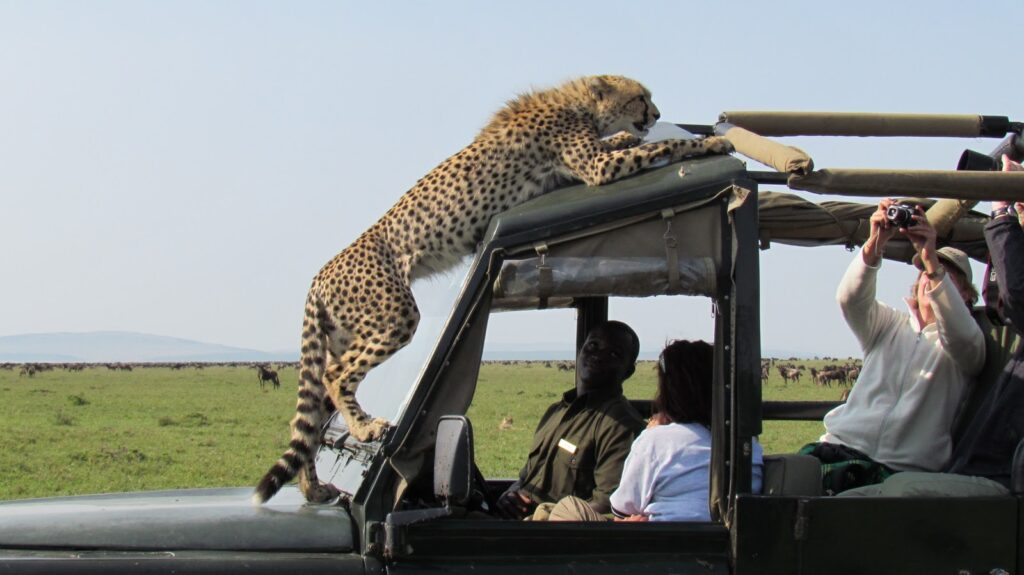
Tanzania is a year-round destination with incredible wildlife, pristine beaches, and stunning landscapes, but choosing the right time to visit can greatly enhance your experience. The country has two main rainy seasons: the long rains from March to May and the short rains in November and December. These periods bring lush greenery, blooming flowers, and fewer tourists, but some roads, especially in remote safari areas, may be less accessible. Conversely, the dry season, from June to October, offers perfect conditions for game viewing, as animals congregate around water sources, making it ideal for safaris and photography.
January and February are generally hot and dry, with minimal rainfall across much of the country. It’s a great time for beach holidays in Zanzibar, Pemba, and Mafia Island, as the seas are calm and the weather is sunny. Safari-goers can also take advantage of early sightings of predators, as young animals are born during this time, attracting lions, leopards, and cheetahs. The landscapes remain vibrant from the preceding rainy season, offering breathtaking scenery and excellent photographic opportunities for nature lovers.
March to May marks the long rainy season, and while some national parks may be less accessible, this period is perfect for travelers seeking solitude, lush landscapes, and fewer crowds. The rains transform the savannahs into vivid green plains, rivers and waterfalls swell, and birdwatchers will enjoy the abundance of migratory and resident birds. Zanzibar’s beaches are quieter during these months, making it ideal for travelers who prefer tranquility over bustling tourist spots. Accommodations often offer lower rates, providing budget-conscious travelers a chance to experience Tanzania without the peak-season crowds.
June to October is widely considered the prime time for a classic Tanzanian safari. The dry season causes wildlife to gather near rivers, lakes, and waterholes, making animals easier to spot. It also coincides with the best period to witness the Great Migration in the Serengeti, when millions of wildebeest and zebras move in search of fresh pastures. Temperatures are comfortable, skies are clear, and the risk of rain disrupting travel plans is minimal. Visitors during this time enjoy the full range of safari activities, including walking safaris, hot air balloon rides, and photographic safaris, ensuring a memorable adventure.
November and December bring short rains that vary regionally, rejuvenating the flora and creating excellent birdwatching opportunities. While some dirt roads may be slippery, the parks are less crowded, and the landscapes are strikingly green. Travelers who time their visit carefully can experience the best of both worlds: vibrant scenery and cultural festivals in local communities. Planning your trip month by month allows you to match your interests—whether it’s wildlife, hiking, beaches, or cultural experiences—with the most suitable weather conditions, ensuring an unforgettable Tanzanian adventure.