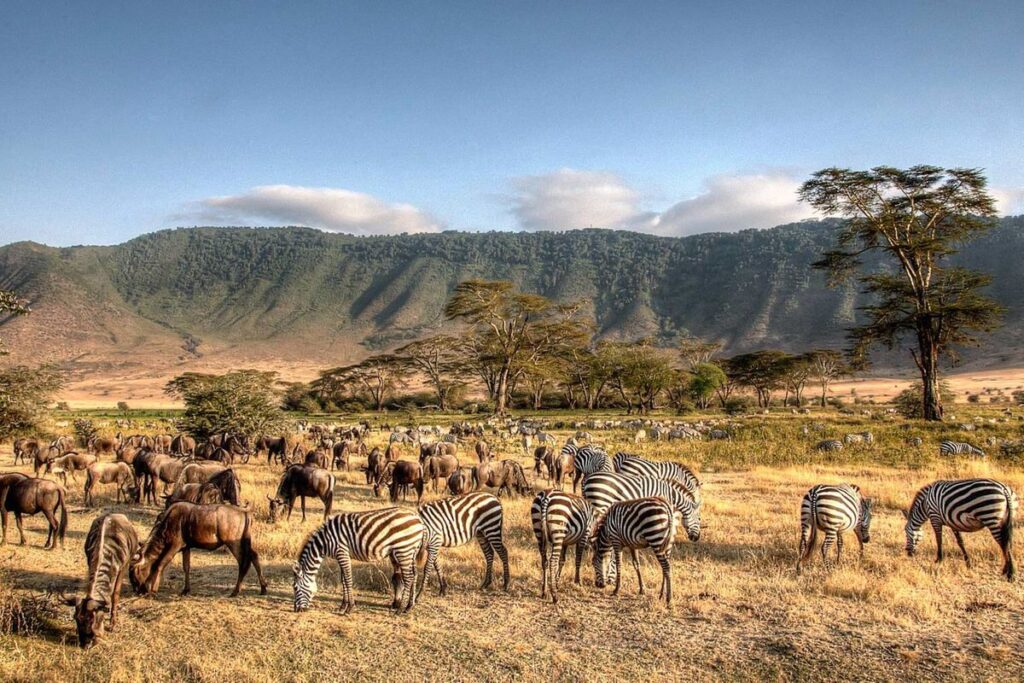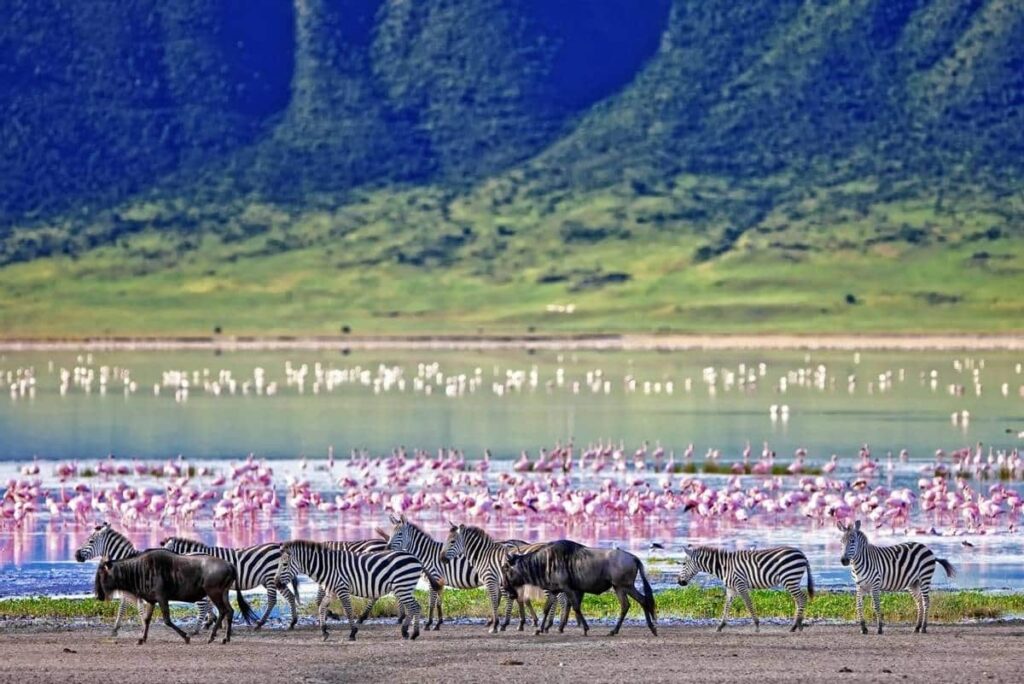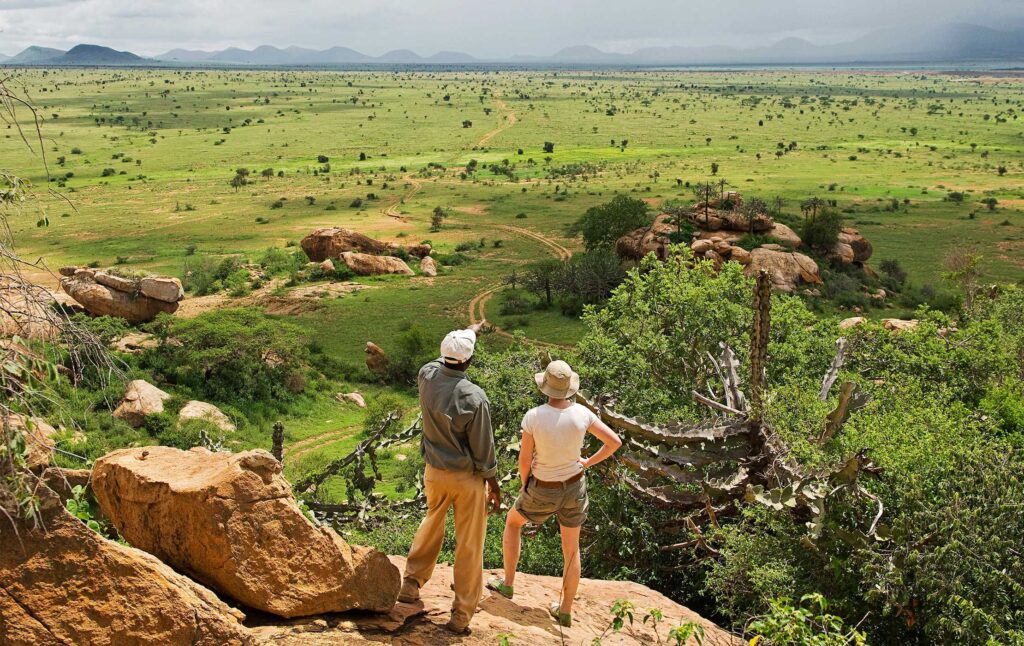
The Ngorongoro Crater, located in northern Tanzania, is one of the world’s most spectacular natural wonders. It is a massive volcanic caldera formed when a giant volcano collapsed approximately two to three million years ago. Covering an area of about 260 square kilometers and surrounded by steep cliffs, the crater creates a unique, enclosed ecosystem that supports an incredible concentration of wildlife in a relatively small space. Its dramatic landscapes, including grassy plains, forests, swamps, and the shallow Lake Magadi, make it visually stunning and ecologically diverse.
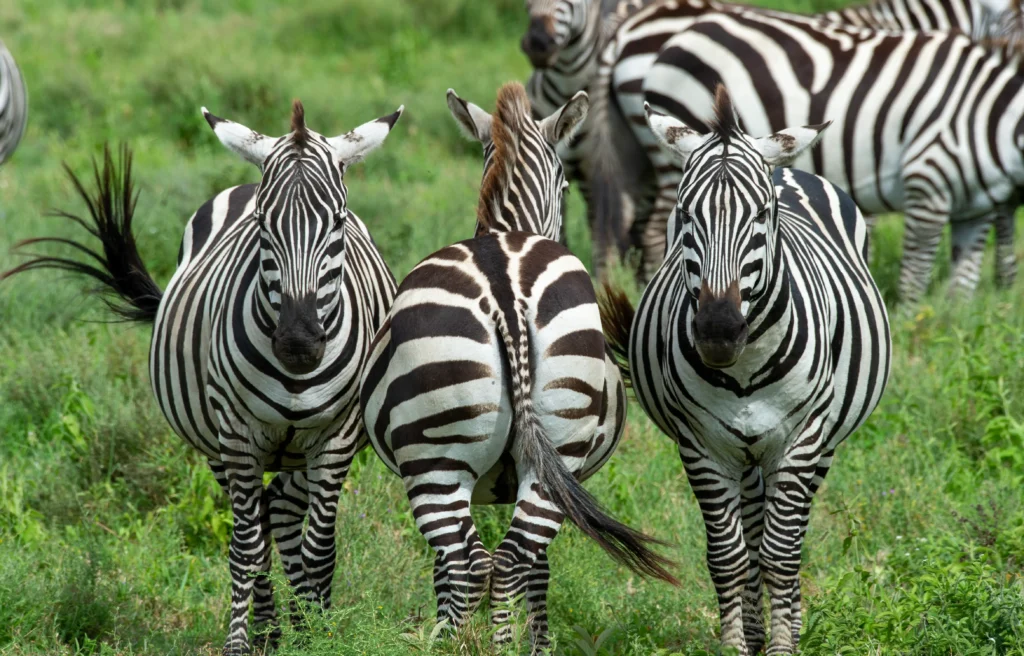
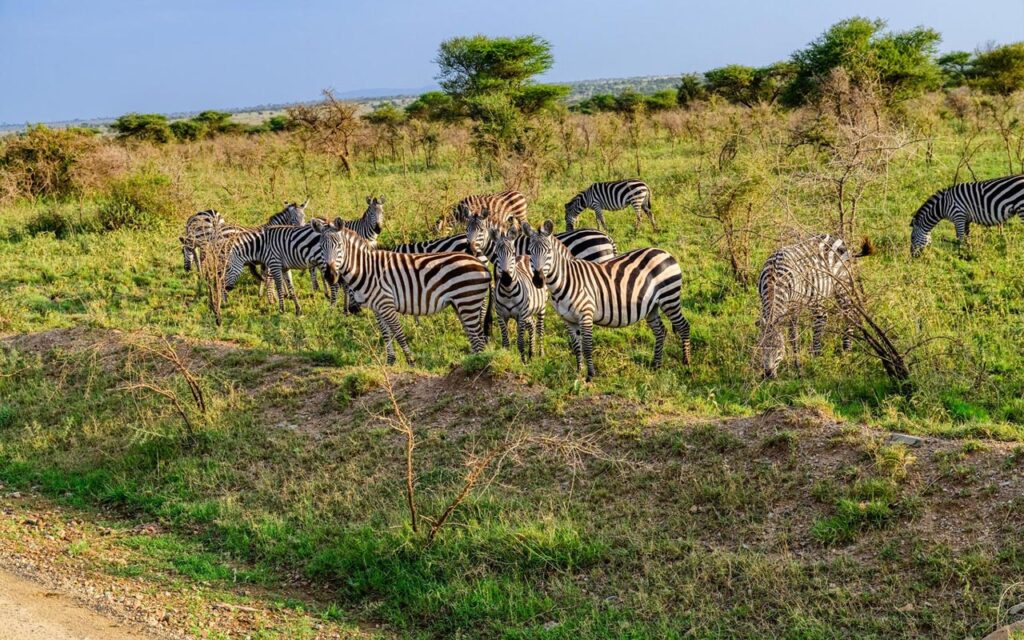
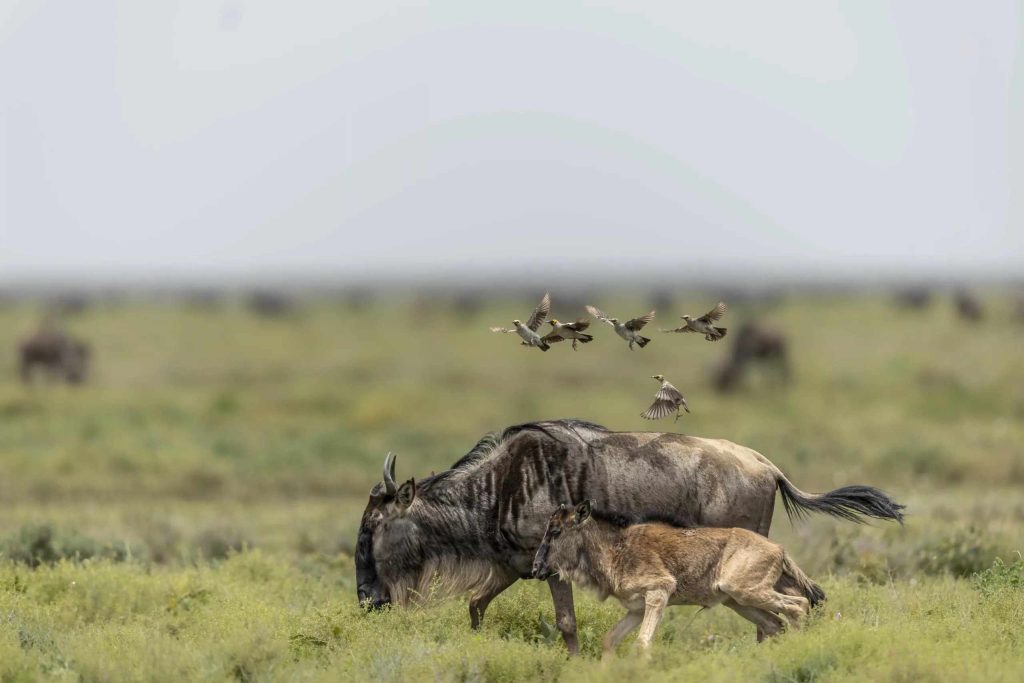
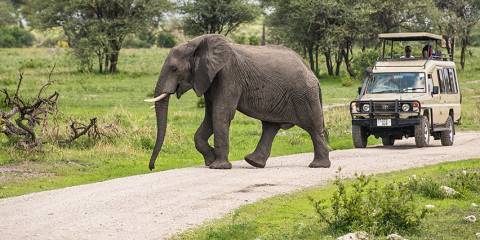
The crater is home to a remarkable variety of wildlife, often described as a “natural Serengeti in miniature.” Large populations of elephants, lions, buffalo, rhinos, zebras, and wildebeest coexist in this confined space, making wildlife viewing exceptionally rewarding. Birdlife is also abundant, with species such as flamingos, ostriches, and raptors frequently spotted. Because the Ngorongoro Crater is a protected conservation area, its wildlife is relatively undisturbed, offering one of the most reliable safari experiences in Africa.
Beyond its natural beauty, the Ngorongoro area is rich in cultural and historical significance. The surrounding highlands are home to the Maasai people, who continue their traditional pastoral lifestyle in harmony with the wildlife. The nearby Olduvai Gorge, often called the “Cradle of Mankind,” has yielded some of the oldest hominid fossils ever discovered, highlighting the region’s importance to human history. Combining spectacular scenery, abundant wildlife, and deep cultural and historical roots, Ngorongoro Crater is one of Tanzania’s most iconic and unforgettable destinations.