The Serengeti is one of the most iconic safari destinations in the world, famous for its abundant wildlife and the spectacular Great Migration. Timing your visit can greatly affect what you see and how you experience the park. The Serengeti experiences two main seasons: the dry season from June to October and the wet season from November to May. Each period offers unique advantages—dry season is ideal for predator spotting and migration viewing, while the wet season provides lush landscapes, newborn wildlife, and fewer tourists, creating a more intimate safari experience.
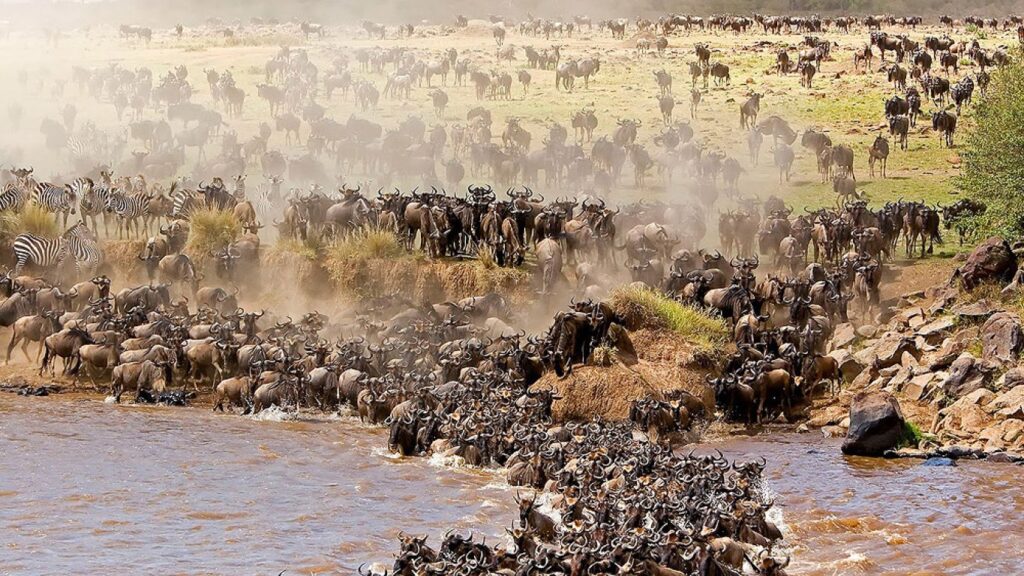
June to August is the heart of the dry season and one of the best times for wildlife photography. Water sources shrink, and animals gather at rivers, making them easier to spot. This period is also prime for viewing large predator activity, as lions, cheetahs, and leopards hunt the congregated herbivores. The migration is typically in the western Serengeti and Grumeti River areas, with dramatic river crossings providing some of the most thrilling safari moments. The cool, dry weather ensures comfortable game drives and fewer chances of rain interrupting your plans.
September to October marks the tail end of the dry season and remains excellent for safari-goers. The migration moves toward the northern Serengeti near the Mara River, creating opportunities to witness large herds and spectacular river crossings. The landscapes remain golden and dry, offering breathtaking vistas and excellent photography lighting. During this period, visitor numbers can rise slightly, so it is recommended to book lodges and mobile camps in advance. Despite this, the experience of seeing concentrated wildlife in open plains is unmatched.
November to December introduces the short rains, which refresh the ecosystem and trigger new vegetation growth. While some safari roads may be slippery, the wet season is perfect for birdwatching and spotting newborn animals. Predators may be slightly harder to find due to dispersed prey, but the Serengeti’s beauty comes alive in vivid greens and vibrant wildflowers. Cultural experiences with Maasai communities become more accessible during this quieter period, providing an enriching complement to wildlife viewing.
January to May is generally considered the wet season, with peak rains in March and April. The migration moves through the southern Serengeti and the Ngorongoro Conservation Area, offering dramatic photographic opportunities of vast herds across the plains. Safari-goers who don’t mind occasional showers will enjoy lush scenery, spectacular waterfalls, and fewer crowds. Planning your visit around these months ensures you can witness unique ecological events and enjoy a peaceful safari experience that highlights the Serengeti’s diverse ecosystems in all their glory.