
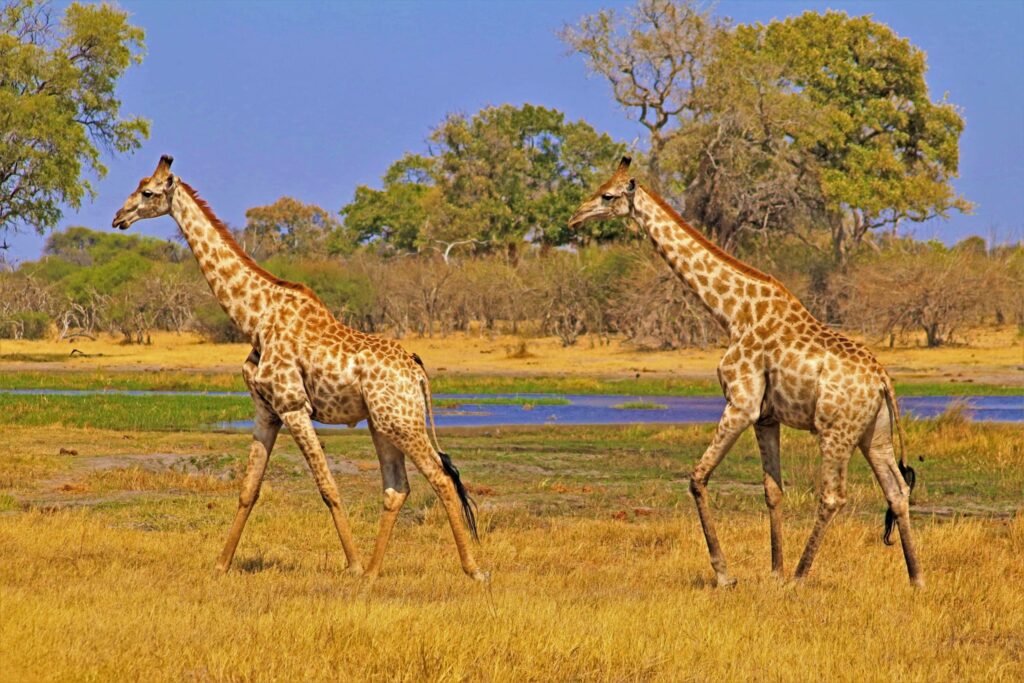
A safari in Tanzania is a dream adventure for many travelers, but understanding the cost is crucial for planning. Safari expenses can vary widely depending on factors such as the duration, type of accommodation, season, and the number of parks visited. Luxury safaris with high-end lodges, private guides, and customized itineraries will naturally cost more, while budget options like camping or group tours can significantly reduce expenses. Planning ahead and knowing what each package includes helps ensure you get value for your money without compromising on the quality of your experience.
The biggest cost drivers are accommodation and park fees. Tanzania’s national parks charge entrance fees that vary by park and nationality, with international visitors paying higher rates than local residents. For example, a single-day entry to Serengeti National Park can cost around $60–$80, while multi-day packages include fees for Ngorongoro Crater, Tarangire, and other parks. Lodges and camps offer a range of pricing from budget tented camps at $50–$100 per night to luxury lodges exceeding $600 per night. Travel between parks, whether by 4×4 safari vehicle or light aircraft, also adds to the total cost.
Another factor influencing safari costs is the level of service and group size. Private safaris are more expensive but offer flexibility, personalized schedules, and exclusive experiences. Group tours, on the other hand, are more affordable and often include shared vehicles and guides. Additional costs include meals, tips, beverages, and optional activities like hot air balloon rides or walking safaris. Understanding the inclusions and exclusions of each safari package helps avoid surprises and allows travelers to budget realistically.
Seasonality is also important. Peak safari months (June–October and December–January) come with higher prices due to high demand, especially for accommodation near the Serengeti during the Great Migration. Off-peak months may offer discounts, fewer tourists, and a different wildlife experience with lush green landscapes. Choosing the right season according to both budget and wildlife interests is key to maximizing your safari experience while managing costs effectively.
Finally, preparation and smart planning can make safaris more cost-effective. Booking in advance, combining parks in a single itinerary, or choosing hybrid packages that mix mid-range lodges with camping can provide excellent value. By understanding the main cost drivers, seasonal fluctuations, and activity preferences, travelers can plan a Tanzanian safari that fits their budget while still offering unforgettable wildlife encounters and cultural experiences.