
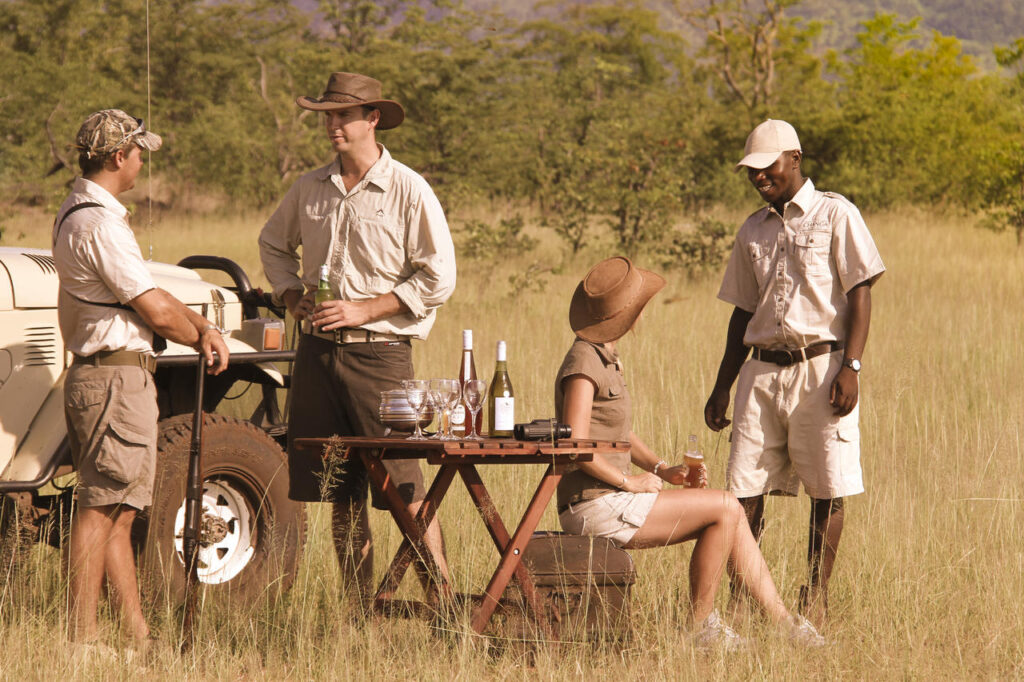
Packing appropriately for a Tanzanian safari is essential for comfort, safety, and enjoyment. The climate varies depending on the region and season, but generally, temperatures are warm during the day and can drop significantly at night, especially in higher-altitude areas like Ngorongoro Crater or Mount Kilimanjaro. Lightweight, breathable clothing is ideal for daytime game drives, while layering with jackets or fleece ensures warmth during early morning or evening excursions. Neutral-colored clothing like beige, olive, and khaki helps blend into the environment and reduces the risk of disturbing wildlife.
Accessories play a key role in safari comfort. Wide-brimmed hats, sunglasses, and scarves protect against sun exposure, while lightweight gloves can provide warmth during morning game drives. Comfortable, sturdy walking shoes or boots are necessary for off-road treks, walking safaris, or bush walks. Socks should be moisture-wicking, and clothing should be quick-drying in case of unexpected showers. Avoid bright colors and camouflage patterns, as these can scare wildlife or attract unnecessary attention.
Layering is especially important for safaris involving multiple environments, from dry savannahs to forested areas. Long-sleeved shirts and trousers protect against sun, insects, and thorny vegetation. Lightweight rain jackets or ponchos are recommended during the wet season. Some travelers prefer zip-off trousers that convert to shorts for versatility. Bringing a compact, breathable daypack allows you to carry water, camera equipment, snacks, and personal items conveniently.
Safety and practical items also complement your safari wardrobe. A pair of binoculars, insect repellent, sunscreen, and a reusable water bottle are indispensable. If you plan to take a hot air balloon ride, include extra layers, as the early morning can be chilly at altitude. For cultural visits, modest clothing is recommended when visiting villages, ensuring respect for local traditions and customs. The combination of functional, comfortable, and modest attire enhances both the practical and cultural aspects of your safari experience.
Ultimately, packing the right safari wardrobe improves both comfort and enjoyment. Planning ahead, choosing neutral and versatile clothing, and including essential accessories ensures you are prepared for a variety of safari activities. By understanding the environment and the needs of different excursions, travelers can focus on the incredible wildlife, landscapes, and cultural encounters Tanzania has to offer without worrying about wardrobe challenges